
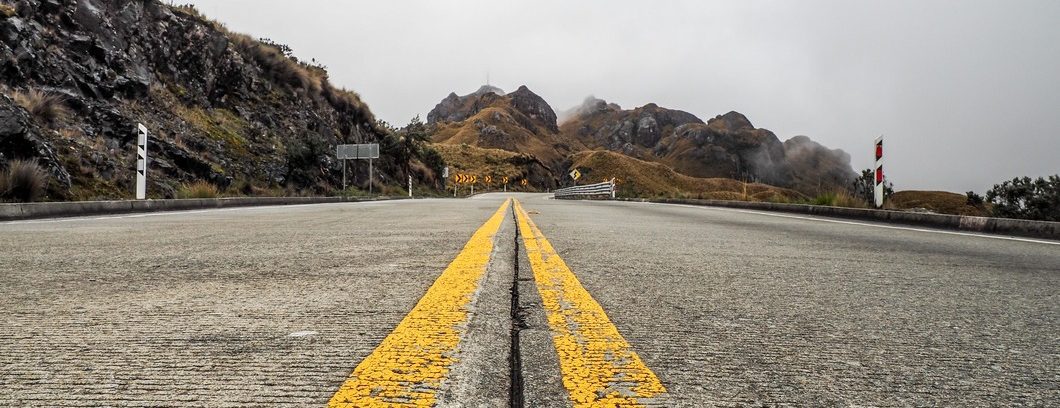
Rhode Island’s climate presents unique challenges for asphalt pavement. From freezing winters and snowstorms to humid summers and heavy rainfall, paved surfaces are constantly exposed to environmental stress. Over time, these weather conditions can cause asphalt driveways, parking lots, and roadways to deteriorate if they are not properly installed and maintained.
Understanding how weather impacts asphalt helps homeowners and businesses protect their pavement investment. With proper installation techniques and routine maintenance, asphalt surfaces can remain durable and attractive despite the changing seasons.
Winter Freeze-Thaw Cycles
One of the biggest challenges for asphalt pavement in Rhode Island is the freeze-thaw cycle that occurs during the winter months. When temperatures drop below freezing, water that has seeped into small cracks in the pavement freezes and expands.
As the ice expands, it pushes against the surrounding asphalt, causing cracks to widen. When temperatures rise again, the ice melts and leaves behind larger openings in the pavement. Repeated freeze-thaw cycles gradually weaken the asphalt surface and can lead to potholes.
This is why addressing small cracks early is important. Preventative maintenance helps stop water from entering the pavement and causing damage during winter.
Homeowners who notice surface cracks or early signs of damage can explore residential paving services here:
https://www.jperrypaving.com/residential/
Heavy Rain and Water Damage
Rainfall is another major factor that affects asphalt pavement. Water that pools on the surface or seeps into cracks can weaken the base layer beneath the asphalt.
When the base becomes unstable, sections of pavement may begin to sink or develop potholes. Proper drainage during installation helps prevent this issue by directing water away from the paved surface.
Professional paving contractors design driveways and parking lots with slight slopes that allow water to flow off the pavement rather than collect on it.
For larger properties and commercial spaces, proper drainage is especially important to maintain safe and durable pavement. https://www.jperrypaving.com/commercial/
Sun Exposure and Oxidation
While Rhode Island is known for its cold winters, summer heat and sunlight can also impact asphalt surfaces. Prolonged exposure to ultraviolet rays causes asphalt to oxidize, gradually drying out the material.
As asphalt loses its natural oils, it becomes more brittle and prone to cracking. This oxidation process also causes the pavement to fade from its original dark black color to a lighter gray.
Sealcoating is one of the most effective ways to protect asphalt from UV damage. The protective coating helps block sunlight and slow the oxidation process.
Learn more about sealcoating services here: https://www.jperrypaving.com/seal-coating/
Snow Removal and Winter Maintenance
Snow removal is necessary during Rhode Island winters, but improper plowing or heavy equipment can sometimes damage asphalt surfaces. Metal snowplow blades can scrape the pavement if they are set too low, especially on older or weakened surfaces.
To reduce the risk of damage during snow removal, it is important to maintain the driveway or parking lot properly throughout the year. Sealcoating and minor repairs help strengthen the asphalt surface and protect it from winter stress.
Well-maintained asphalt is far more resistant to seasonal damage than neglected pavement.
Temperature Changes Throughout the Year
Seasonal temperature fluctuations also play a role in asphalt performance. Asphalt naturally expands during warm weather and contracts during colder temperatures.
Because asphalt is flexible, it generally handles these changes better than many other paving materials. However, if the pavement was installed without proper base preparation, temperature changes can still cause cracks and structural damage.
Professional installation ensures that the pavement has a strong foundation capable of supporting these seasonal movements.
Property owners can view examples of professionally completed paving projects here: https://www.jperrypaving.com/our-work/
Preventing Weather-Related Asphalt Damage
Although Rhode Island weather can be tough on pavement, several preventative measures can help extend the life of asphalt surfaces.
Some effective strategies include:
- Sealcoating asphalt every few years
- Repairing cracks early before water enters the pavement
- Ensuring proper drainage around the driveway or parking lot
- Scheduling routine inspections and maintenance
These steps help protect asphalt from both environmental damage and everyday wear.
Working with experienced paving professionals ensures that these preventative measures are performed correctly.
Property owners can learn more about the paving company’s experience and services here:
https://www.jperrypaving.com/about/
Protecting Your Pavement in Every Season
Rhode Island’s changing weather conditions can have a significant impact on asphalt driveways and parking lots. Freeze-thaw cycles, rainfall, sun exposure, and temperature fluctuations all contribute to pavement wear over time.
Fortunately, professional paving installation and regular maintenance help reduce the effects of these environmental factors. By addressing small issues early and protecting asphalt surfaces with sealcoating and repairs, property owners can extend the lifespan of their pavement.
J.Perry Paving provides professional asphalt paving and maintenance services throughout Rhode Island. With decades of experience serving residential and commercial properties, their team understands how to build and maintain pavement that withstands the region’s changing weather conditions.
To learn more about asphalt paving services or request a project estimate, visit: https://www.jperrypaving.com/contact-us/